Ruin to Ruin

Volterra, Italy
Summer 2022
Project Overview
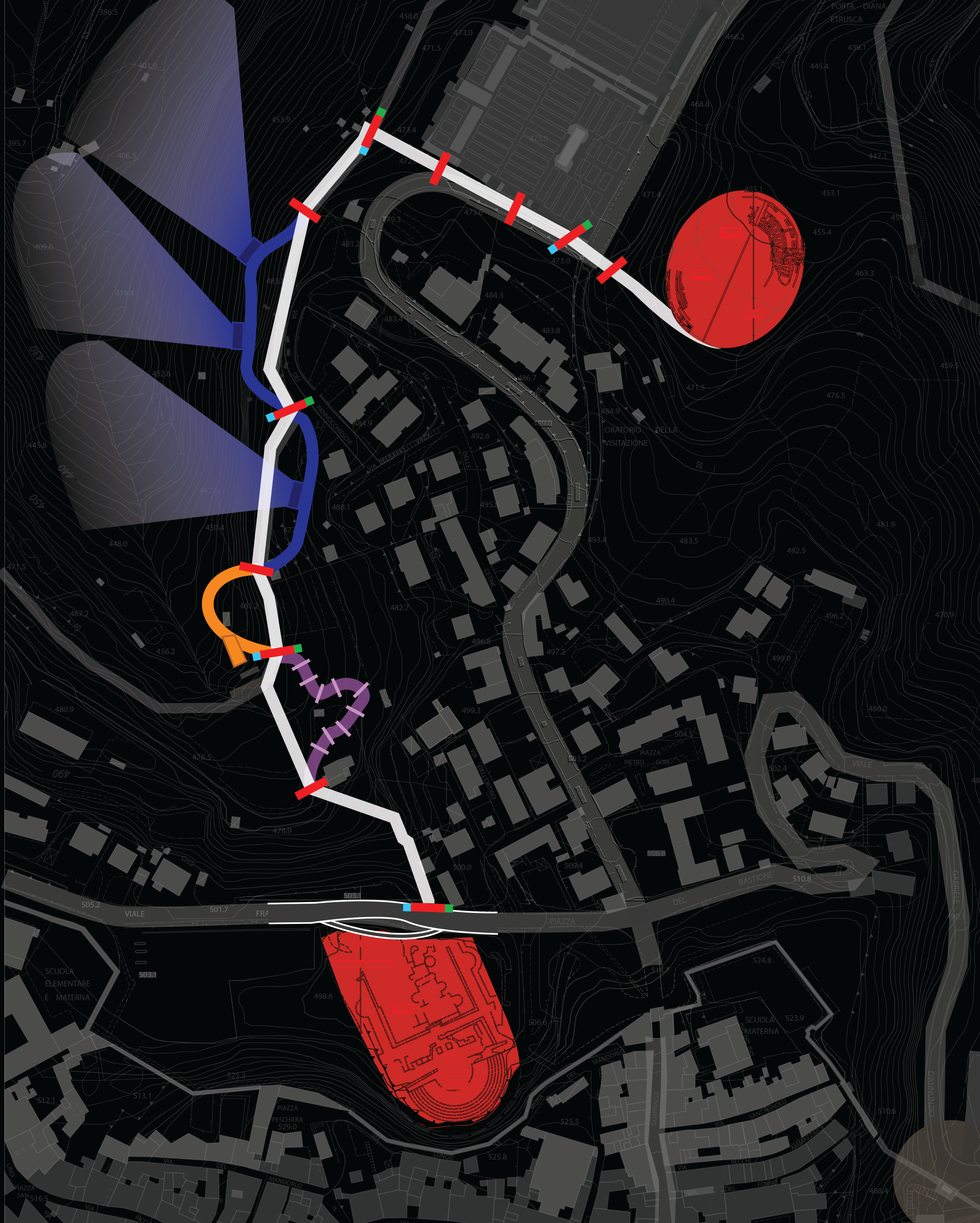
The intent of this studio is to explore the role of the Public Realm in an urban context, and the placement of architectonic elements in public space. We will utilize the pedestrian pathway that connects newly designed infrastructure at the Roman Theatre to the archeological site of the amphitheater as a landscape to deploy six discreet programmatic elements. Each of these interventions will engage one of thefollowing themes.

1: Water
2: Waste
3: Intimacy
4: Market
5: Play
6: *Designer’s Choice*

These architectonic/landscape designs can all tie together as one system, or may act independently of one another. You will be charged with determining the program for each intervention. Teams of up to three people may be assembled to design some of the elements, but each student will be responsible for at least three of the elements on their masterplan.
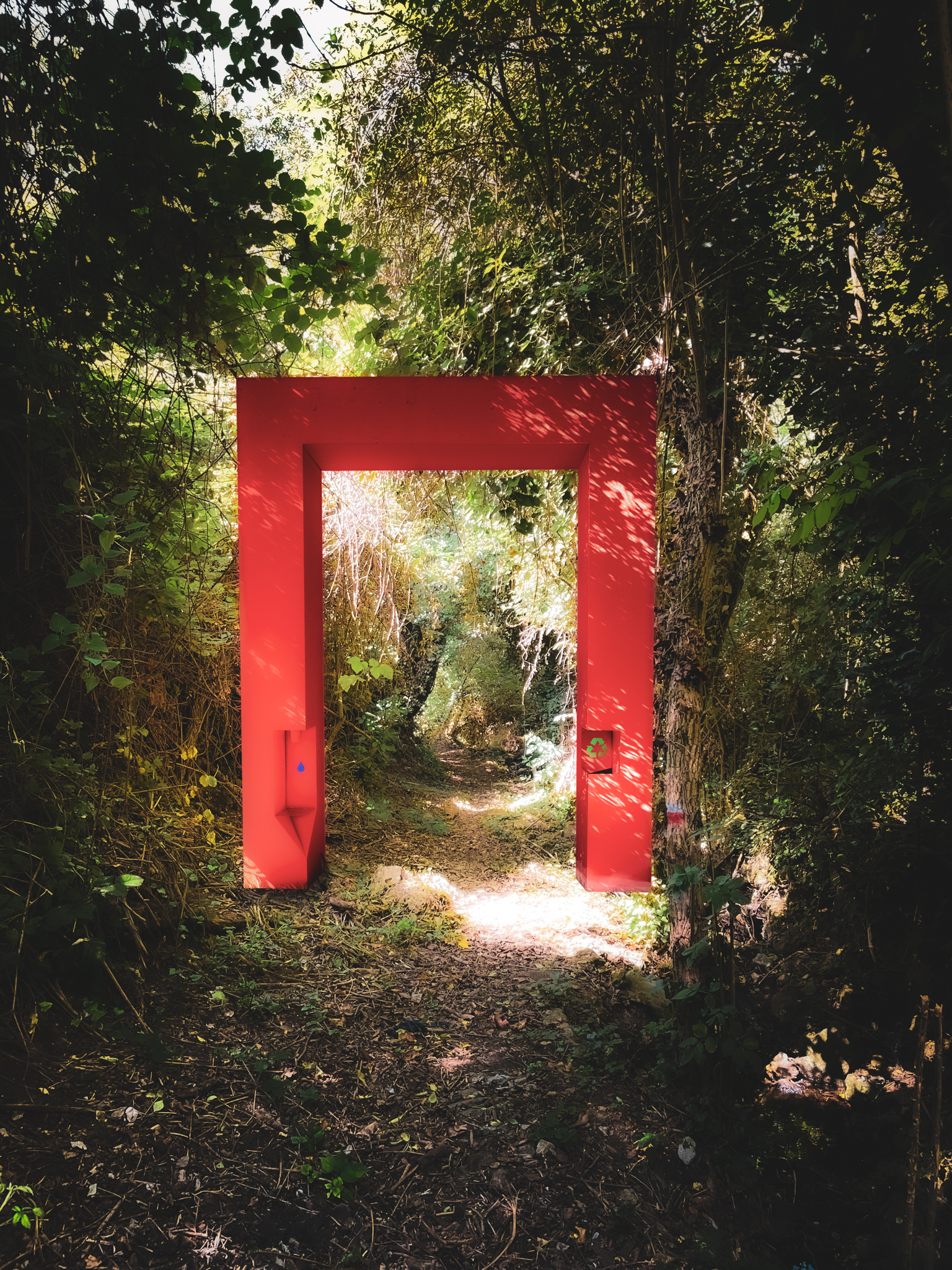
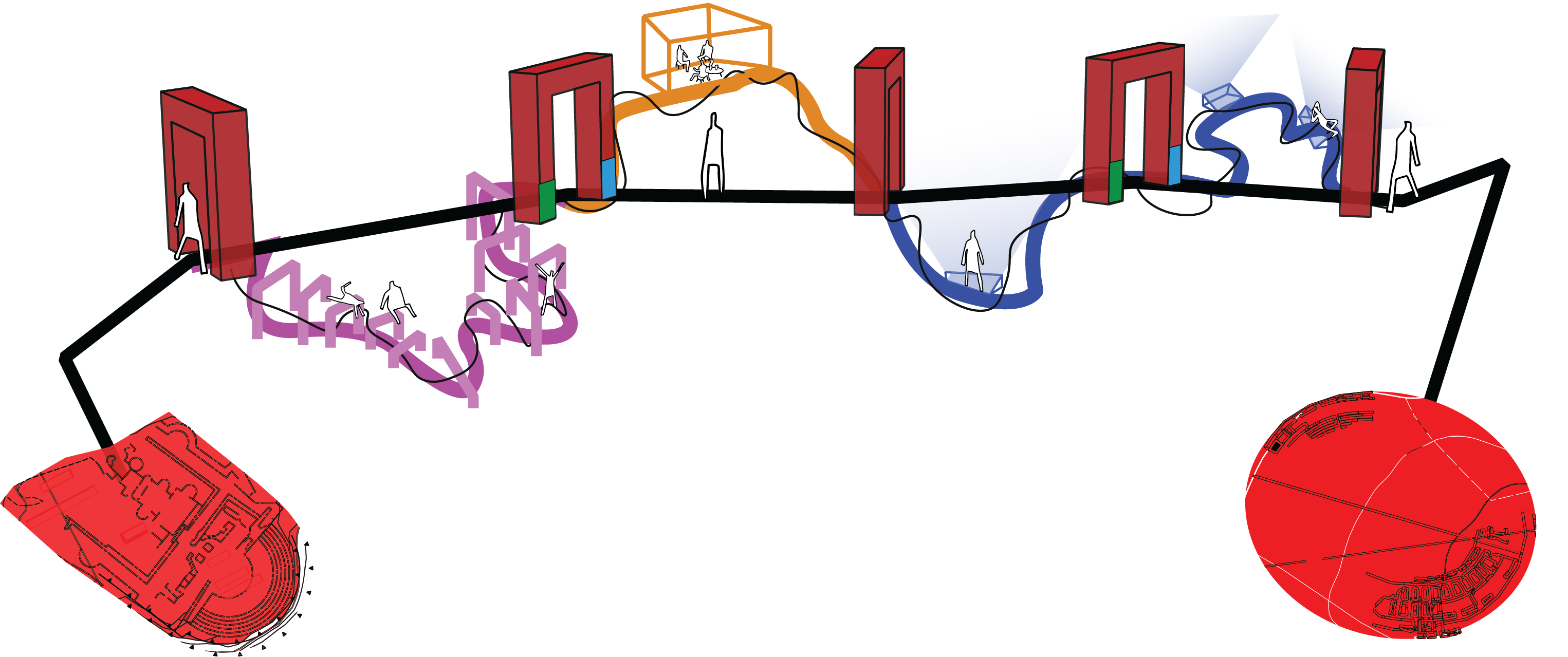
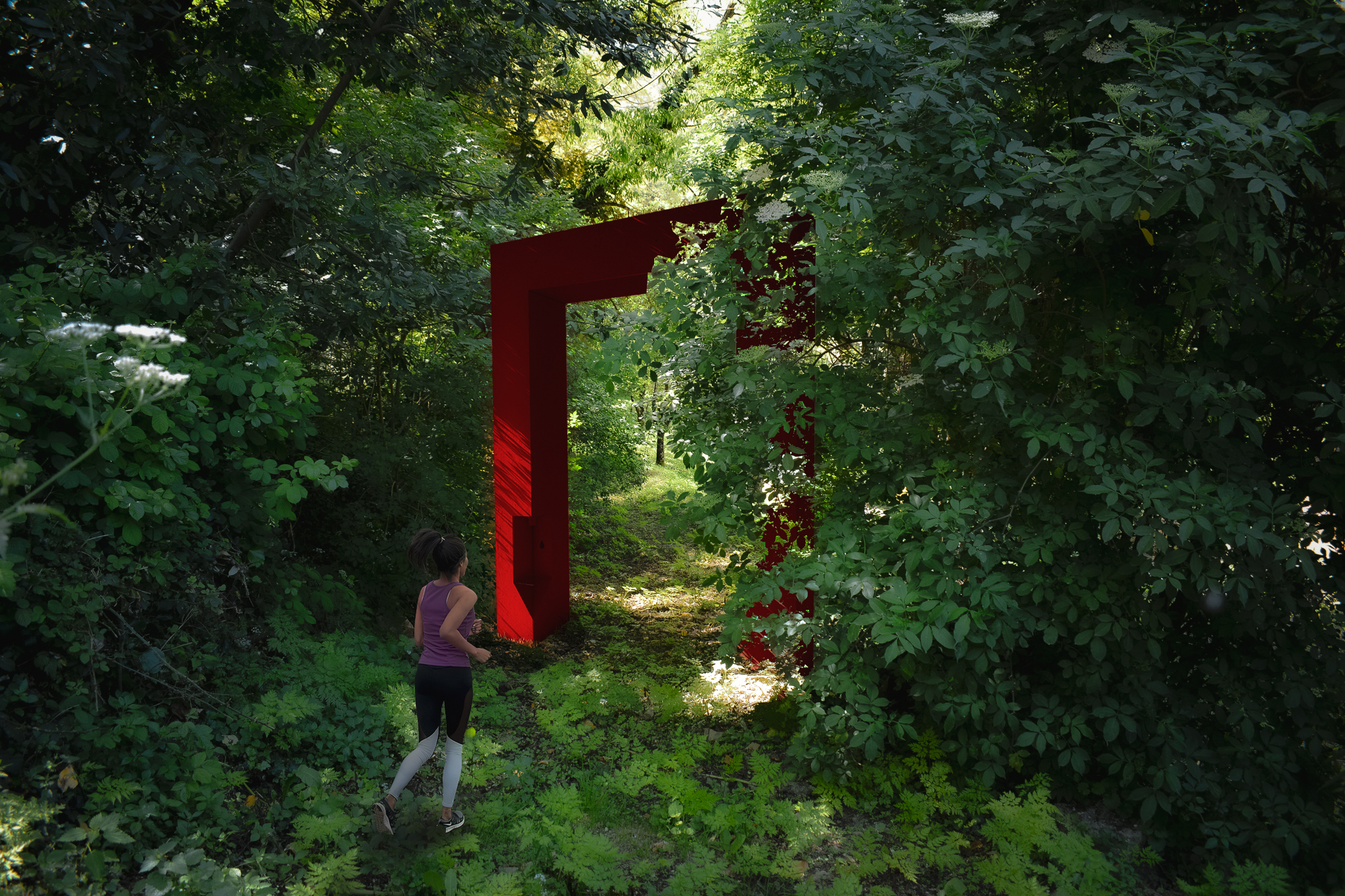
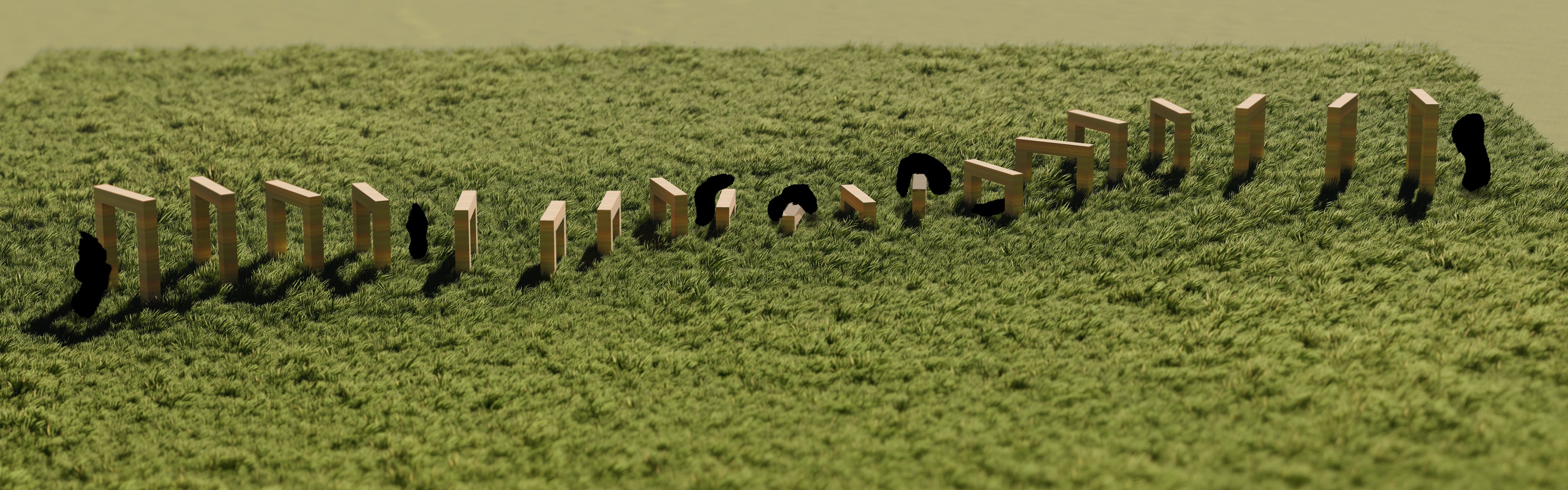
Creating a link between two historic Roman ruins required the need for passive public spaces; Spaces that would be successful whether serving one, two or a dozen people at a time. The anchor of this pathway is a series of large red arches (designer's choice). These arches are used as a means of wayfinding and sources of clean water (water) and trash recepticles (waste). The monumental forms bring a stark contrast to the rich, green Tuscan countryside.

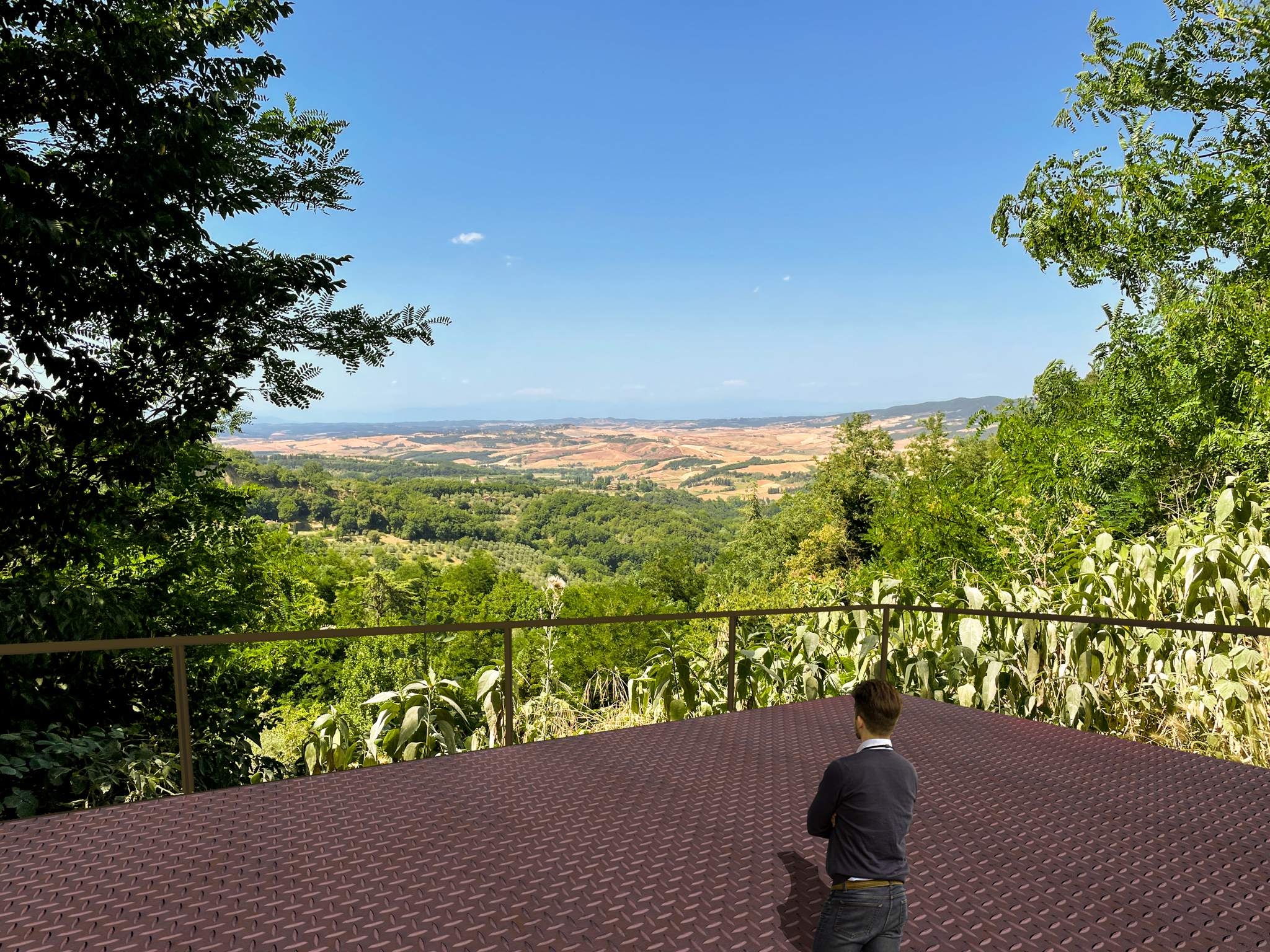
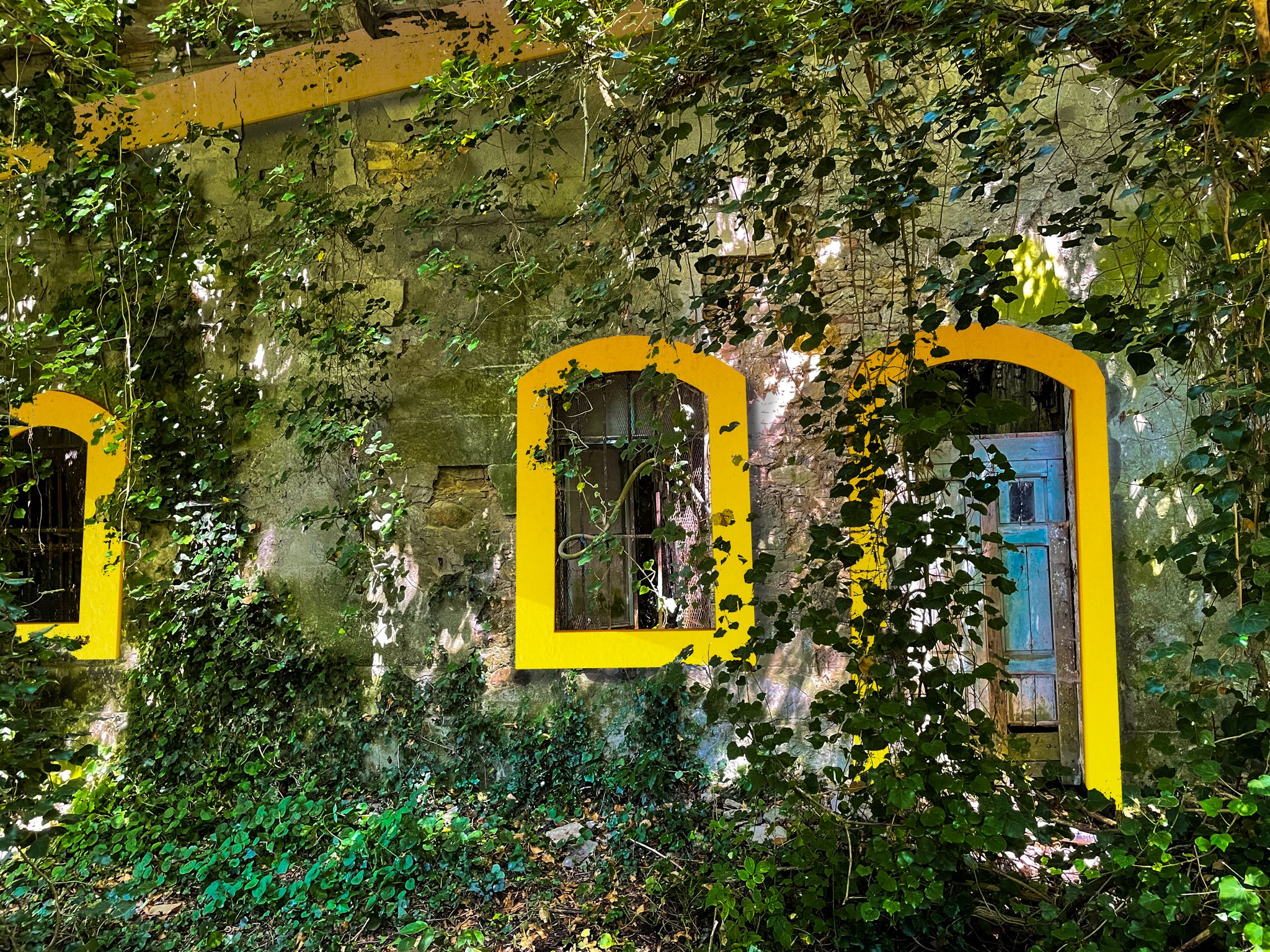
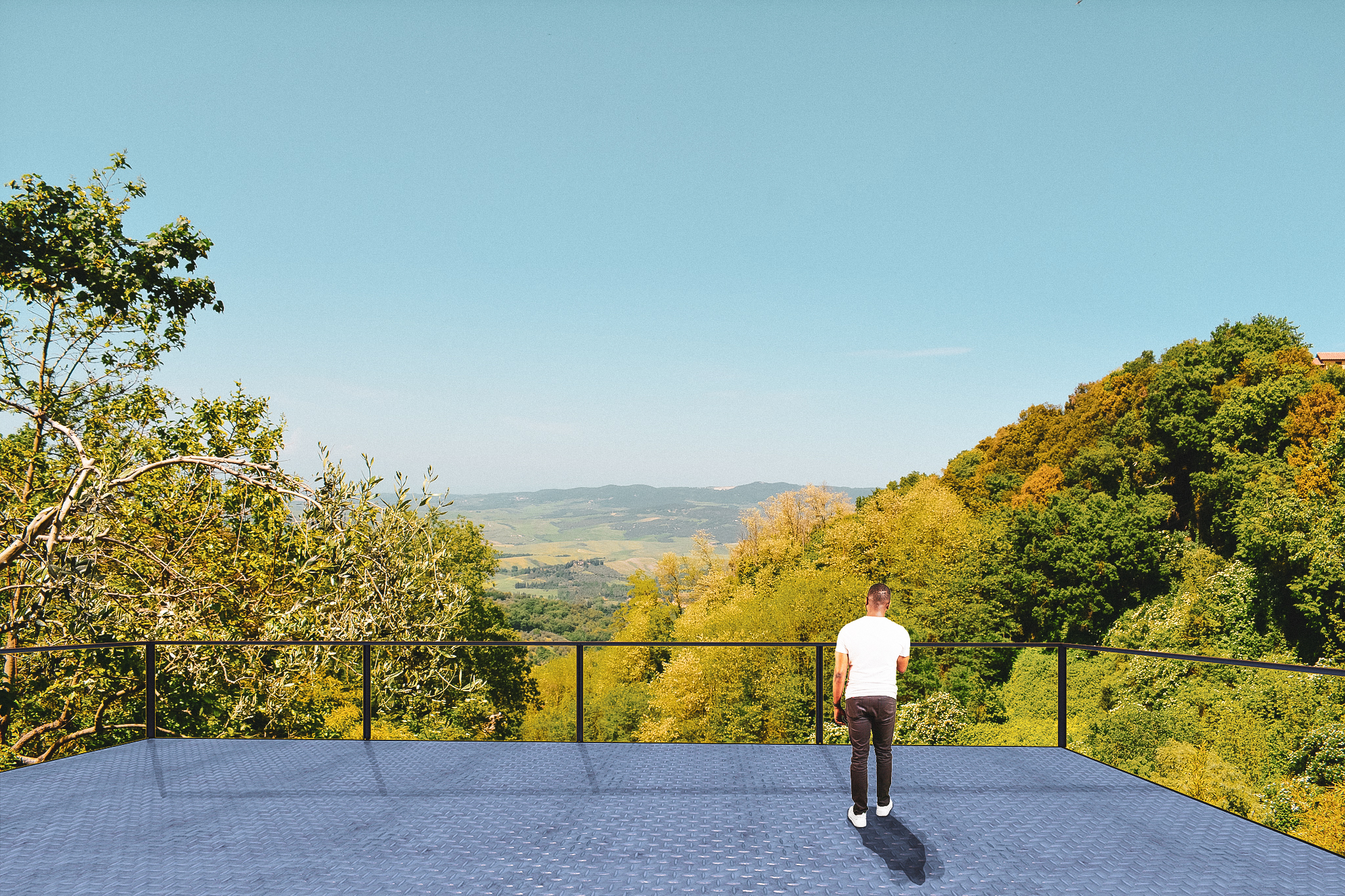
Straying from this main pathway are a number of color-coded excursions. The first being a series of rammed earth mini-arches (play)that one can traverse any way they please, whether above or below. Next is a more intimate detour, being a give-and-take small public library (market). Continuing, there are two pathways that lead to introspective lookout points (intimacy), allowing for clear views of the beautiful landscapes.

Project Narrative